The Heart of Georgia
Tbilisi's Old Town, known locally as "Dzveli Tbilisi," is a captivating maze of narrow cobblestone streets, colorful wooden balconies, and centuries-old architecture that tells the story of Georgia's rich history. Founded in the 5th century by King Vakhtang Gorgasali, this UNESCO-tentative site has been a crossroads of civilizations for over 1,500 years.
Walking through the Old Town is like stepping back in time. The sulfur baths that gave the city its name (Tbilisi derives from "tbili," meaning warm), the ancient Narikala Fortress watching over the city, and the charming Abanotubani district create an atmosphere unlike anywhere else in the world.
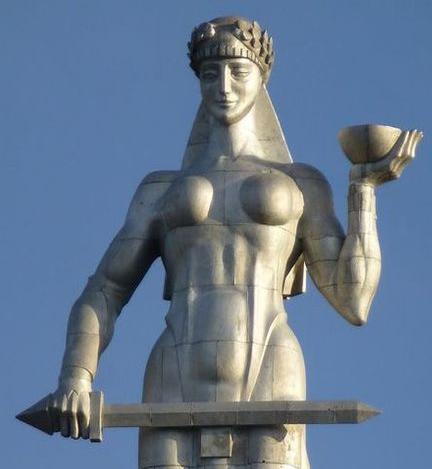
Gallery
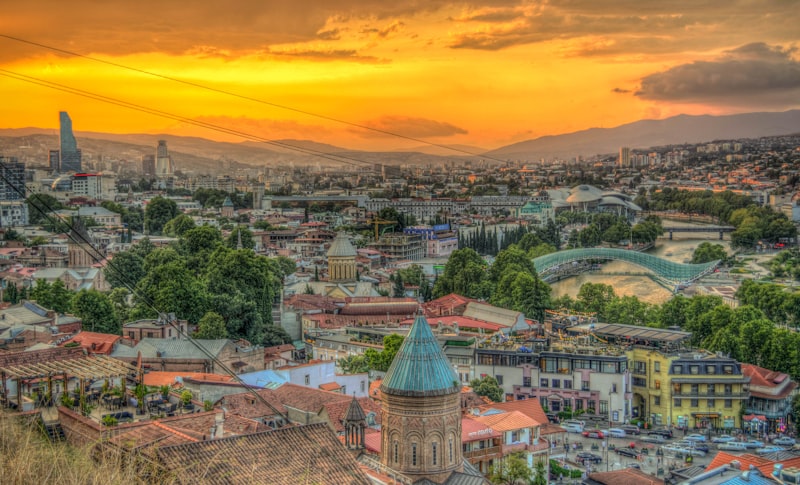 Narikala Fortress
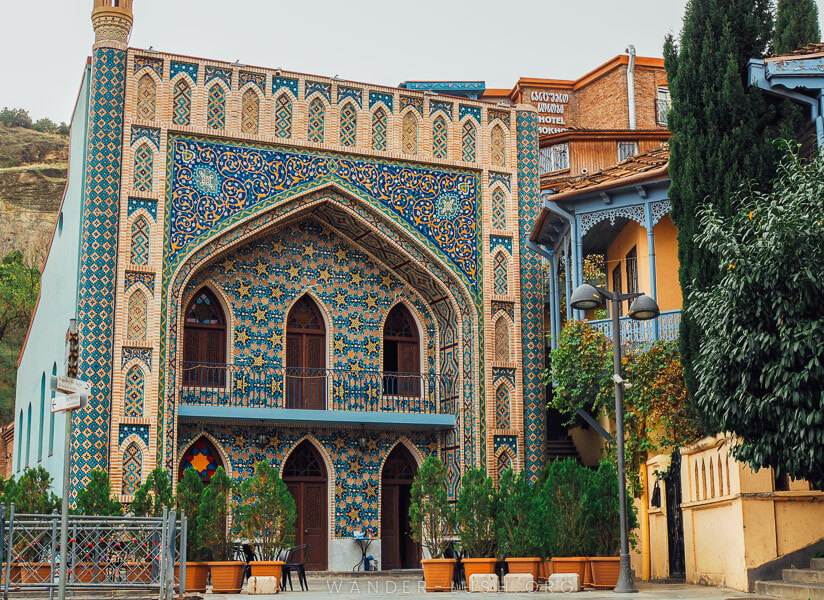 Abanotubani Baths
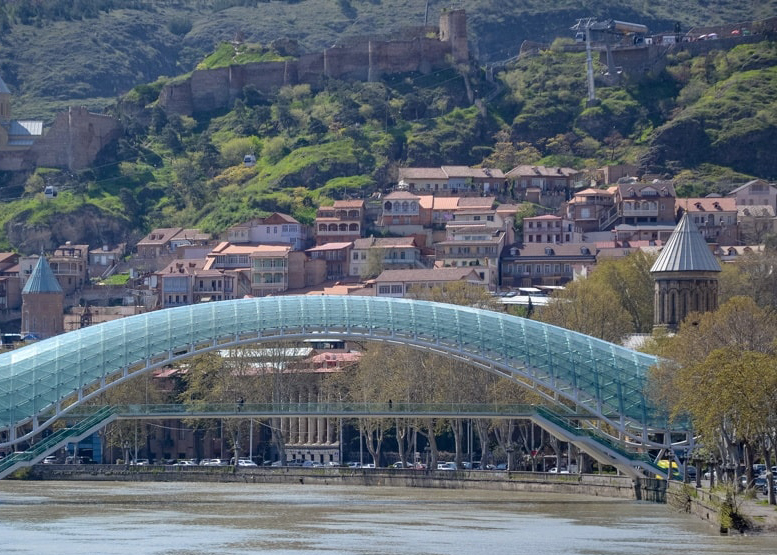 Bridge of Peace
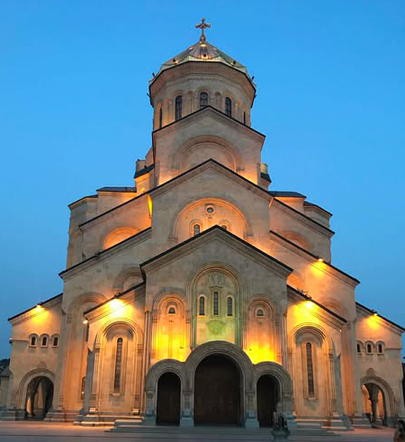 Holy Trinity Cathedral
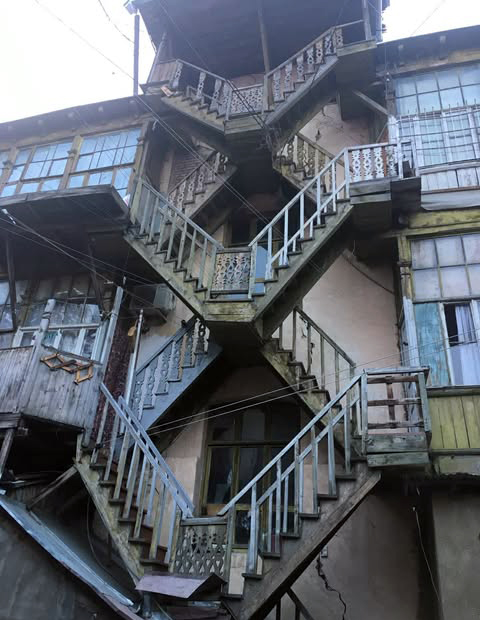 Old Town Streets
Highlights
Narikala Fortress
Ancient fortress dating back to the 4th century, offering panoramic views of the city and the Mtkvari River.
Sulfur Baths
Traditional bathhouses fed by natural hot springs, a relaxing experience cherished for centuries.
Metekhi Church
13th-century church perched on a cliff overlooking the river, a symbol of Georgian resilience.
Shardeni Street
Charming pedestrian street filled with cafes, art galleries, and live music venues.
Cable Car Ride
Scenic cable car journey from Rike Park to Narikala Fortress with breathtaking city views.
Wine Cellars
Underground wine bars serving traditional Georgian wines in atmospheric settings.
Practical Information
Best Time to Visit
Spring (April-June) and Autumn (September-November) offer mild weather and fewer crowds. Summer can be hot but lively with festivals.
Getting There
The Old Town is easily accessible by metro (Avlabari station) or a short taxi ride from anywhere in Tbilisi. Walking is the best way to explore.
Recommended Duration
Allow at least a full day to explore the main sights. Two days lets you experience the sulfur baths and evening atmosphere.